Helldivers 2: Perang Galaksi yang Penuh Adrenalin dan Kerja Sama Tim
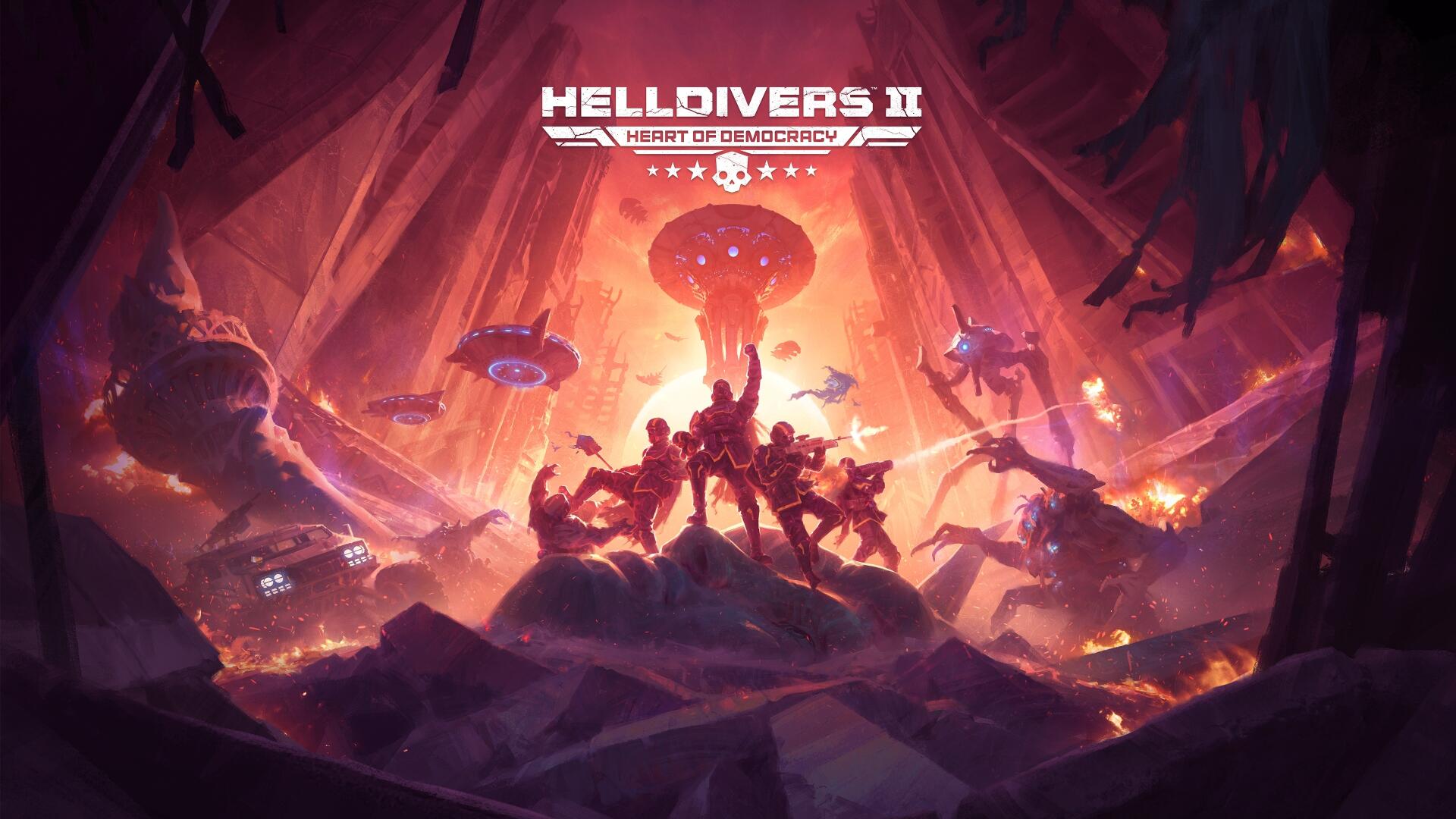
Helldivers 2 menghadirkan konsep yang mengusung tema satir tentang militerisme dan demokrasi terkelola, menciptakan identitas unik yang membedakannya dari game shooter lainnya. Pemain bergabung dalam pasukan Helldivers untuk melawan tiga faksi musuh utama: Terminids yang menyerupai serangga raksasa, Automatons yang merupakan robot perang, dan Illuminate yang merupakan alien canggih. Setiap faksi memiliki karakteristik dan taktik berbeda, memaksa pemain untuk beradaptasi dengan strategi yang sesuai. Sifat game yang terus berkembang melalui Major Orders menciptakan narasi komunitas yang melibatkan seluruh pemain di seluruh dunia.
Helldivers 2: Perang Galaksi yang Penuh Adrenalin dan Kerja Sama Tim
Helldivers 2 adalah game PC terbaru yang menghadirkan pengalaman co-op shooter yang adiktif dan penuh adrenalin dari Arrowhead Game Studios. Berbeda dari pendahulunya yang menggunakan perspektif top-down, sekuel ini beralih ke third-person shooter yang memberikan pengalaman lebih intim dan intens. Pemain berperan sebagai Helldivers, tentara elit yang bertugas menyebarkan demokrasi terkelola ke seluruh galaksi. Dengan gameplay yang menekankan kerja sama tim dan komunikasi, Helldivers 2 menjadi salah satu game PC terbaru terbaik untuk dimainkan bersama teman. Bagi Anda yang mencari hiburan gaming berkualitas, kunjungi cr777 untuk pengalaman bermain yang tidak kalah seru.
Gameplay Helldivers 2 menekankan kerja sama tim dan komunikasi yang efektif. Pemain dapat memanggil berbagai stratagem, mulai dari serangan udara hingga senjata berat, dengan memasukkan kombinasi tombol yang harus dihafal. Friendly fire selalu aktif, menciptakan momen-momen lucu sekaligus menegangkan ketika tembakan salah sasaran mengakibatkan kekacauan. Tingkat kesulitan yang dapat disesuaikan memungkinkan pemain pemula hingga veteran untuk menikmati game sesuai kemampuan mereka. Update konten yang rutin menambahkan senjata, musuh, dan misi baru menjaga game tetap segar dan relevan bagi komunitas pemainnya.
Dari sisi teknis, Helldivers 2 menunjukkan kualitas produksi yang solid dengan grafis detail dan efek partikel yang memukau. Ledakan yang spektakuler, animasi musuh yang mengerikan, serta desain lingkungan yang beragam menciptakan pengalaman visual yang memuaskan. Sound design yang menggabungkan musik orkestra epik dengan efek suara pertempuran yang realistis memperkuat intensitas setiap misi. Dengan kombinasi gameplay yang adiktif, update konten yang konsisten, dan komunitas pemain yang aktif, Helldivers 2 menjadi salah satu game PC terbaru terbaik untuk dimainkan bersama teman-teman.
Hal yang paling menonjol dari Helldivers 2 adalah fokusnya pada kerja sama tim. Berbeda dari banyak game shooter lain yang dapat dimainkan secara solo, Helldivers 2 dirancang untuk dimainkan bersama. Setiap pemain memiliki peran dan tanggung jawab, dan koordinasi antar anggota tim sangat penting untuk menyelesaikan misi yang sulit. Sistem stratagem, yang memungkinkan pemain memanggil dukungan seperti serangan udara atau senjata berat, menambahkan lapisan strategi pada gameplay. Friendly fire yang selalu aktif menciptakan momen-momen lucu sekaligus menegangkan, memperkuat pentingnya komunikasi dan koordinasi antar pemain.
Dunia dalam Helldivers 2 terus berkembang melalui Major Orders, misi global yang melibatkan seluruh komunitas pemain. Setiap Major Order memiliki tujuan spesifik, seperti merebut planet tertentu atau mengalahkan faksi musuh tertentu. Keberhasilan atau kegagalan Major Order mempengaruhi keadaan galaksi, menciptakan narasi komunitas yang dinamis dan engaging. Sistem ini menciptakan rasa memiliki dan tujuan bersama di antara pemain, memperkuat aspek sosial dari game dan membuat setiap pemain merasa menjadi bagian dari sesuatu yang lebih besar dari diri mereka sendiri.
Dari segi cerita, Helldivers 2 menggunakan pendekatan satir untuk menceritakan kisahnya. Game memparodikan tema militerisme dan propaganda, dengan pesan-pesan yang dilebih-lebihkan dan humor gelap yang menyelipkan kritik sosial. Meskipun tidak memiliki cerita naratif tradisional, dunia game kaya akan lore yang dapat ditemukan melalui item dan deskripsi. Pengungkapan tentang faksi musuh dan tentang sejarah galaksi menambahkan kedalaman pada pengalaman bermain, memberikan konteks pada konflik yang sedang berlangsung dan membuat pemain lebih terlibat dalam misi yang mereka jalankan.
Dari segi visual, Helldivers 2 menunjukkan kualitas grafis yang mengesankan dengan efek visual yang memukau. Ledakan yang spektakuler, animasi musuh yang mengerikan, dan desain lingkungan yang beragam menciptakan pengalaman visual yang memuaskan. Setiap planet memiliki biome dan karakteristik sendiri, dari gurun yang tandus hingga hutan yang lebat hingga kota yang hancur. Pencahayaan yang dramatis dan efek partikel menambah atmosfer yang imersif, menciptakan dunia yang terasa hidup dan berbahaya bagi para Helldivers yang menjelajahinya.
Dari segi audio, Helldivers 2 menggunakan musik orkestra epik dan efek suara yang realistis untuk menciptakan pengalaman audio yang imersif. Musik yang menggabungkan elemen militer dengan orkestra simfoni meningkatkan intensitas setiap misi. Efek suara untuk senjata, ledakan, dan gerakan musuh dirancang untuk terasa kuat dan memuaskan. Pengisi suara untuk karakter memberikan performa yang kuat, menghidupkan setiap karakter dengan kepribadian yang kuat. Suara lingkungan, dari gemuruh pertempuran hingga angin di planet asing, menambahkan lapisan imersi pada pengalaman bermain yang sudah sangat intens.
Kesimpulannya, Helldivers 2 adalah salah satu game co-op shooter terbaik dalam beberapa tahun terakhir. Dengan fokus pada kerja sama tim, sistem stratagem yang unik, dunia yang terus berkembang, dan presentasi yang memukau, game ini membuktikan bahwa Arrowhead Game Studios adalah salah satu studio paling kreatif di industri. Ini pasti menjadi salah satu game PC terbaru terbaik yang tidak boleh dilewatkan penggemar co-op shooter dan game multiplayer.